Chili crisp goes from cult jar to kitchen staple
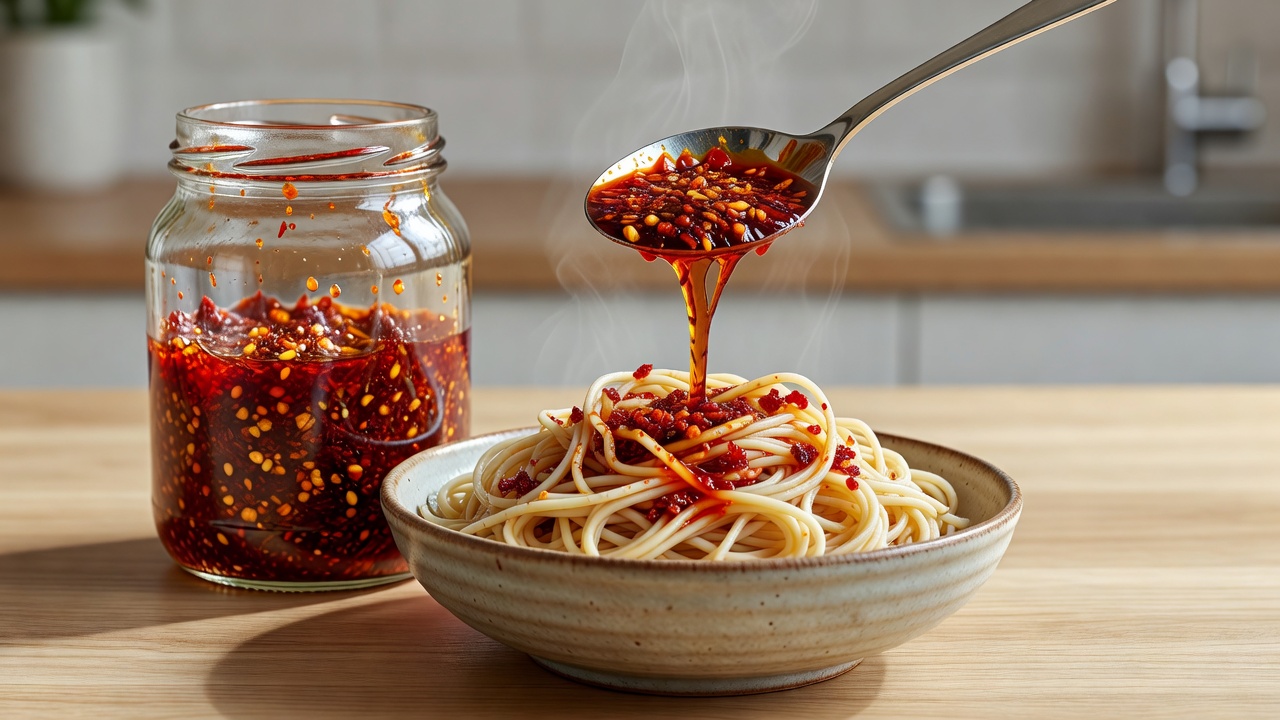
Crunchy, oily, savoury and only gently hot, chili crisp is one of the great condiments of southwest China. Its most famous bottled version, Lao Gan Ma, was founded by Tao Huabi in Guizhou province in 1997 after her noodle stall's chilli sauce became more popular than the noodles. Today small-batch makers around the world sell their own takes, and home cooks spoon it over eggs, ice cream, pizza and dumplings. The appeal is texture as much as heat: fried shallot, garlic and chilli flakes stay crisp in the oil.
Swicy: sweet meets spicy
"Swicy" is the menu shorthand for sweet-plus-heat, and hot honey is its poster child. Chilli-infused honey drizzled on pizza became a Brooklyn pizzeria signature in the 2010s, helped along by Mike's Hot Honey, and it has since spread to fried chicken, cheese boards and roasted carrots. The combination is nothing new: Korean gochujang, Thai sweet chilli sauce and Mexican chamoy have balanced sugar and chilli for generations.
Tinned fish, served like treasure
In Lisbon and Porto, conservas shops sell sardines, mackerel and octopus in beautiful printed tins, and Spanish bars have long served high-quality tinned seafood as tapas. That culture has gone global: "tinned fish dates" with good bread, butter, pickles and lemon are a cheap, low-effort luxury. Look for fish packed in olive oil and check where and how it was caught.
Birria and the consommé dip
Birria is a slow-cooked, chilli-rich stew from Jalisco, traditionally made with goat. Taco trucks in Tijuana and Los Angeles turned it into quesabirria: tortillas dipped in the fat from the stew, griddled with cheese and meat, then dunked into a cup of the rich consommé. It spread fast because it is spectacular to watch and even better to eat.
Ube everywhere
Ube, the purple yam of the Philippines, has long been used in halaya (a sweet jam), halo-halo and cakes. Its vivid colour and gentle vanilla-nutty flavour have made it a favourite in doughnuts, lattes and ice cream far beyond Filipino bakeries. Real ube is subtle; if a pastry tastes like pure sugar and food colouring, ask whether it contains the yam itself.
Koji, ferments and funk
Koji — the mould Aspergillus oryzae used for centuries in Japan to make miso, soy sauce and sake — is now a tool in adventurous kitchens everywhere. Chefs grow it on rice to cure meats or create new seasonings. The Noma Guide to Fermentation by René Redzepi and David Zilber, published in 2018, put lacto-ferments, vinegars and garums into many home kitchens.
Waste-less cooking
Using the whole ingredient is another old idea with a new name: pickle brine in dressings, broccoli stems in stir-fries, stale bread in panzanella, citrus peel candied or dried. It saves money, and it tends to make food taste more interesting.
Make it at home: quick chili crisp
| Amount | Ingredient | Note |
|---|---|---|
| 250 ml | Neutral oil | Rapeseed, groundnut or sunflower |
| 4 | Shallots | Very thinly sliced |
| 6 | Garlic cloves | Thinly sliced |
| 30 g | Chilli flakes | Sichuan-style if possible |
| 1 tbsp | Ground Sichuan pepper | For the tingle |
| 1 + 1 | Star anise + cinnamon stick | Removed later |
| 2 tsp / 1 tsp | Sugar / salt | Adjust to taste |
| 1 tbsp each | Sesame seeds, chopped roasted peanuts | For crunch |
- Fry the shallots in the oil over medium-low heat, stirring, until golden. Lift out onto paper.
- Fry the garlic the same way until pale gold — it darkens fast. Lift out.
- Add star anise and cinnamon to the oil and warm for 5 minutes, then remove them.
- Mix chilli flakes, Sichuan pepper, sugar and salt in a heatproof bowl.
- Pour the hot (not smoking) oil over the chilli mix. It should sizzle, not blacken.
- Once cool, stir in the shallots, garlic, sesame and peanuts. Jar it and refrigerate.