Why strange combinations taste right
Most surprising pairings fall into one of three camps. The first is contrast: a salty, savoury element sharpens a sweet one, the way a pinch of salt makes caramel taste more like caramel. The second is balance: rich, fatty foods crave acid or heat to cut through them, which is why pickles sit beside fried chicken and lime meets avocado. The third is shared aroma, the idea behind the "food pairing" theory popularised in the early 2000s, when chef Heston Blumenthal served white chocolate with caviar at The Fat Duck after noticing the two share flavour compounds. Scientists still debate how far that theory stretches, but as a starting point for experiments it is a lot of fun.
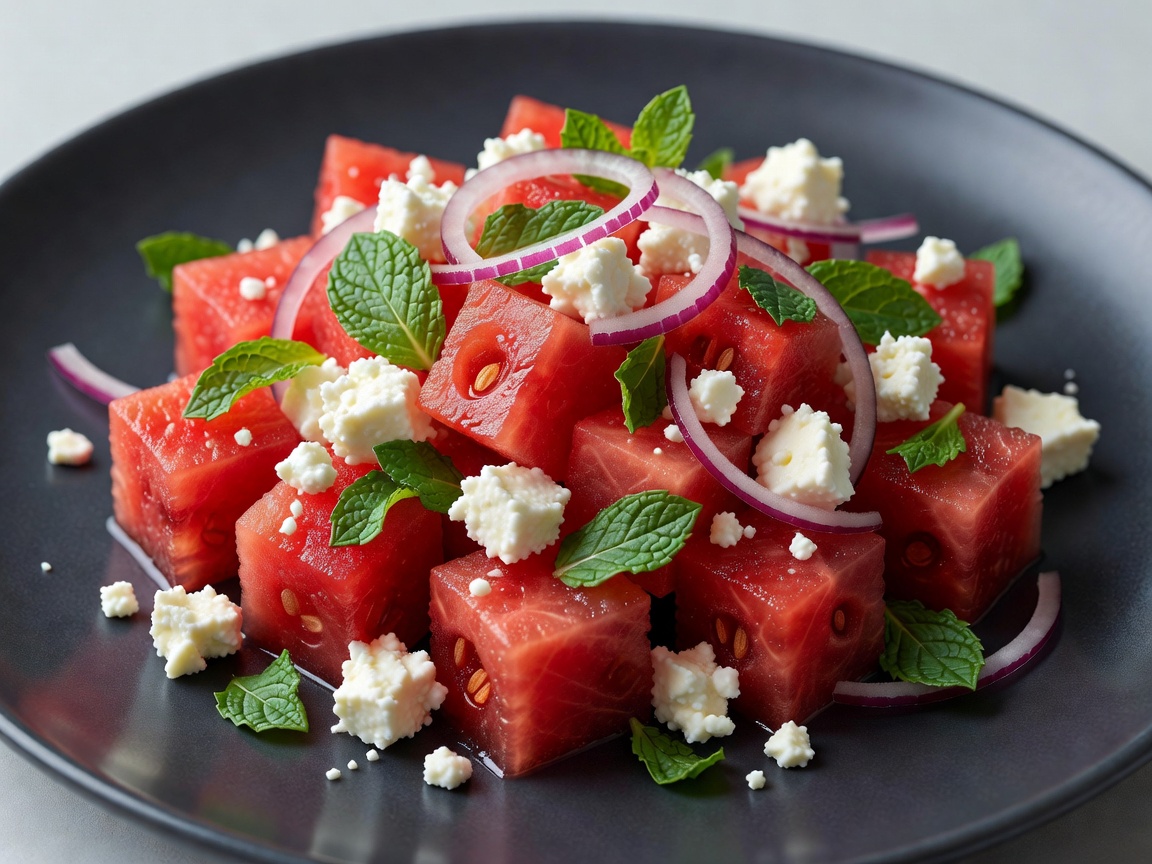
Watermelon, feta and mint
A summer staple across Greece, Turkey and the Levant. Cold, juicy watermelon brings sweetness and water; feta brings salt and a creamy tang; mint adds a cooling lift. A few slices of red onion and a squeeze of lime turn it into a proper salad. Cut the melon into thick cubes so it stays crisp, and add salt only at the table — salt pulls water from the fruit fast.
Strawberries and black pepper
Italian cooks have long macerated strawberries with a drizzle of aged balsamic vinegar and a grind of black pepper. Pepper's piperine brings a gentle warmth that makes the fruit taste brighter and deeper at once. Use freshly cracked pepper, not pre-ground dust, and let the berries sit for ten minutes before serving.
Chocolate and chilli
This one is ancient. Cacao drinks in Mesoamerica were often spiced with chilli long before Europeans sweetened chocolate, and the Mexican mole poblano tradition still combines chiles, spices, nuts and a little chocolate into one dark, complex sauce. At home, a pinch of ancho or cayenne in hot chocolate or brownies adds a slow glow rather than burn.
Vanilla ice cream, olive oil and flaky salt
A trick loved in Italian and Spanish kitchens: good vanilla ice cream, a thread of grassy extra-virgin olive oil, and a few flakes of sea salt. The oil adds a peppery, fruity finish; the salt crunches and wakes up the sweetness. Choose a fresh, fruity oil rather than a harsh, bitter one.
Pineapple on pizza
Love it or hate it, it is a genuine story of immigrant improvisation. The Hawaiian pizza was created in 1962 by Sam Panopoulos, a Greek-born cook running the Satellite Restaurant in Chatham, Ontario, who added tinned pineapple and ham to see what would happen. The pairing is classic sweet-and-salty, the same logic as melon with prosciutto.
Kimchi grilled cheese
Fermented, spicy, sour napa cabbage folded into melting cheddar between buttered bread. The lactic tang of kimchi slices straight through the richness. Squeeze excess liquid from the kimchi first, or the sandwich goes soggy.
Make it tonight: miso caramel
Salted caramel's moodier cousin. White (shiro) miso adds salt plus a toasty, savoury depth. Drizzle it over apples, ice cream, roasted sweet potatoes or even grilled pork. Makes one small jar.
| Amount | Ingredient | Note |
|---|---|---|
| 200 g | Caster sugar | White sugar shows colour best |
| 60 ml | Water | To dissolve the sugar evenly |
| 120 ml | Double cream | Warmed |
| 40 g | Unsalted butter | Cubed |
| 2 tbsp | White miso | Shiro miso is milder than red |
- Warm the cream gently and whisk in the miso until smooth. Set aside.
- Heat sugar and water in a heavy pan over medium heat, swirling (not stirring) until dissolved.
- Boil until the syrup turns a deep amber, about 8–10 minutes. Watch closely at the end.
- Take off the heat and carefully pour in the miso cream — it will bubble up hard.
- Whisk in the butter until glossy. Cool slightly before tasting; molten sugar burns badly.
- Store in a clean jar in the fridge for up to two weeks. Warm gently to loosen.